


Healthcare Careers Working with Children: Explore 30+ Professions
Want to work with children and families in your healthcare career? From obstetrics, infant care and pediatrics, to adolescent medicine, there are a wide and diverse number of healthcare careers that involve working with children of all ages. Read on to discover some of the many options for working with children you have to consider in your future healthcare career, and see if any of them appeal to you.
The following professionals lent their expertise to this article:


 HealthcareNursingAdv Nursing NursingNursing Ed.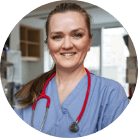
 NeonatologyNursing
Jennifer Duran, RN, is a Neonatal Intensive Care Unit nurse with over 21 years of experience at Massachusetts General Hospital (MGH). She specializes in neonatal care and has extensive experience conducting professional educational courses for clinical staff. Jennifer is dedicated to educating families and caregivers on the care of their neonates. In November 2018, she served as a nursing fellow at Mbarara Regional Referral Hospital in Uganda, where she collaborated with neonatal staff to provide daily educational sessions, contributing to improved clinical practices.
Jennifer Duran, RN
Jennifer Duran, RN, is a Neonatal Intensive Care Unit nurse with over 21 years of experience at Massachusetts General Hospital (MGH). She specializes in neonatal care and has extensive experience conducting professional educational courses for clinical staff. Jennifer is dedicated to educating families and caregivers on the care of their neonates. In November 2018, she served as a nursing fellow at Mbarara Regional Referral Hospital in Uganda, where she collaborated with neonatal staff to provide daily educational sessions, contributing to improved clinical practices.
Why Trust EduMed? We partner with 150+ nursing & allied health professionals to bring you the most in-depth data & insights on higher education & careers in healthcare. Meet our team and review our editorial values.
Prenatal/Perinatal Care
Working with expectant parents can be one of the most rewarding types of child healthcare, as it sets the stage for the rest of a child’s healthy development. Healthcare workers in prenatal and perinatal care play a critical role in the health of moms and babies before and after birth.
Here’s a look at some of the top careers in this important field.
Obstetric Sonographer
Role & Responsibilities: Obstetric sonographers offer expectant parents the first glimpse of their new baby inside the womb. Using ultrasound, or high frequency soundwaves, obstetric sonographers scan a pregnant woman’s uterus and ovaries.
Sonograms are used to monitor the baby’s growth and development. They are also used to screen for birth defects and health conditions. Obstetric sonographers work in hospitals, clinics, and doctors’ offices.
Earnings: $80,850
How to Get Started:
- Earn an associate or bachelor’s degree in sonography—alternatively, some colleges and hospitals offer a one-year certificate program.
- Earn a Registered Diagnostic Medical Sonographer credential with OB/GYN specialty—required by most employers and insurance companies.
- Obtain CPR certification.
FIND PROGRAMS NEAR YOU:
Certified Nurse Midwife
Role & Responsibilities: Most certified nurse midwives (CNM) work in hospitals or as part of a clinic, birthing center, or private group practice. CNMs provide routine prenatal care including exams, nutrition counseling, and education, and even support in family planning.
CNMs work with pregnant women as they deliver, then provide follow up care for mothers and babies including lactation support.
Earnings: $129,480
How to Get Started:
- Graduate from an accredited registered nursing program.
- Obtain an RN license.
- Earn a graduate degree from an accredited CNM program, consisting of supervised clinical education.
- Pass a national certification exam.
- Obtain licensure by a state board of nursing.
Obstetric Physician Assistant
Role & Responsibilities: Obstetric Physician Assistants or OB/GYN PAs support women and families throughout pregnancy and birth. They may help guide couples through family planning or infertility treatments prior to a pregnancy.
OB/GYN PAs offer patients a full range of prenatal and postpartum care, including lactation support. They may perform or assist routine deliveries, as well as assisting cesarean deliveries.
Earnings: $130,020
How to Get Started:
- Gain healthcare experience, such as nursing or a similar field (optional).
- Graduate from a physician assistant graduate program with completion of a clinical rotation in obstetrics and gynecology.
- Pass a national certification exam.
More Careers to Consider
Doula: A doula is a non-medical professional who provides help and guidance to women giving birth, without having any formal obstetric qualifications.
Responsibilities:
- Acts as a “coach” or support team member during the labor and delivery process
- Provides emotional support as well as materials
Labor & Delivery Nurse: Labor and delivery nurses are specialized registered nurses who work in the delivery room during and immediately after the labor and delivery process.
Responsibilities:
- Monitors vital signs
- Provides doctors with supplies and medication
- Helps in the cleanup process of both mother and infant after delivery
Obstetrician: Obstetricians are physicians who specialize in pregnancy and childbirth, caring for both mother and infant. Many obstetricians are also qualified to work as gynecologists.
Responsibilities:
- Provides family planning care, including prescribing fertility treatments
- Oversees the entire pregnancy and childbirth process
- Provides care immediately postpartum
Perinatal Nurse: Perinatal nurses are nurses who specialize in working with women leading up to, during, and immediately after giving birth.
- Assists with the birth process
- Helps families develop a plan for their newborn
- Provides health information for use after leaving the hospital with the baby
Infant (0 to 1 Years)
What could be better than a job caring for newborn babies? Child healthcare professionals working with children from birth through their first year share the joys of a child’s first major milestones.
In addition to monitoring babies’ health, they also educate families on how to keep their babies safe and support their development.
Generalists working in pediatrics such as pediatric medical assistants, work with babies as a natural part of their scope of practice. Medical professionals who specialize in infant care are more often supporting babies and families who face serious medical challenges in their first year of life.
Neonatal Intensive Care Unit (NICU) Nurse
Role & Responsibilities: No one wants their baby to wind up in a Neonatal Intensive Care Unit or NICU, but when they do, families rely heavily on specialized care from NICU nurses.
Often, these are preterm babies, but others may be born with health conditions or birth defects and may have trouble breathing, heart problems, or serious infections.
Earnings: $86,070
How to Get Started:
- Earn an undergraduate degree from a campus or online accredited nursing program.
- Pass a national certification exam.
- Obtain specialized training in NICU procedures and policies.
Neonatal Pediatric Occupational Therapist
Role & Responsibilities: Neonatal Pediatric Occupational Therapists work with babies in the NICU. Babies are admitted to a NICU for a variety of reasons including premature birth, respiratory issues, infections, or congenital or birth defects.
A neonatal OT works to identify an infant’s potential developmental issues and they create a treatment plan to address those needs.
Earnings: $96,370
How to Get Started:
- Earn a master’s degree in occupational therapy; but to remain competitive, pursue a doctoral OT degree.
- Gain at least three years’ experience of mentored NICU and neonatal practice, and additional coursework in neonatal therapy—recommended by the National Association of Neonatal Therapists.
- Obtain a credential through the Neonatal Therapy National Certification Board, and a state license—required by some employers.
Infant Massage Therapist
Role & Responsibilities: Infant massage can be an integral tool for bonding between parents and babies, whether their babies are typical, full-term babies or they have special needs.
Infant massages can be uniquely beneficial within the stressful environment of the NICU. NICU nurses may also teach these techniques to the families of babies in the NICU.
Earnings: $55,310
How to Get Started:
- Earn general certification through accredited massage therapy programs.
- Gain specialty training and certification in infant massage, neonatal infant massage, and infant massage education—may be required by some employers or state licensing boards.
More Careers to Consider
Neonatologist: Neonatologists are specialized physicians who work with the care of newborn babies. They may be particularly focused on the care of infants born prematurely, or with congenital disabilities.
Responsibilities:
- Helps patients who have just given birth, especially after a complex birth
- Develops an antenatal care plan
Neonatal Nurse Practitioner (NNP): Neonatal nurse practitioners are specialized nurse practitioners who work with newborn infants, either on their own, or alongside a physician. They work in hospitals, especially in the NICU, as well as in doctor’s offices and other clinical settings specializing in infant care.
Responsibilities:
- Diagnoses illnesses and conditions; and prescribes medications and treatments
- Develops treatment plans for babies during their stay in the NICU
Neonatal Respiratory Therapist: Neonatal respiratory therapists help newborn infants who are having trouble with breathing.
Responsibilities:
- Assists babies born prematurely, as their lungs may not have fully developed at the time of birth
- Sets up breathing machines and gives respiratory treatments to help babies start breathing independently
Lactation Consultant: Lactation consultants help new parents and guardians who want to breastfeed their children. They may work in hospitals, or visit patients at home.
Responsibilities:
- Provides breastfeeding advice on latching, use of supplementary bottles, pumping, and more
- Monitors breastfeeding’s impact on both parent and child
Toddlers and Preschoolers (Ages 1 to 5)
This age is all about play and imagination—and high anxiety for parents and guardians trying to keep one step ahead of their curious little explorers. Most healthcare professionals at this stage are charting a child’s growth and teaching them and their parents how to keep their bodies (including those new teeth!) healthy and safe.
From crawling to hopping on one foot, toddlers and preschoolers race from one developmental milestone to the next.
When parents and pediatricians become concerned about toddlers and preschoolers not achieving like their typically developing peers, they call in the specialized services like those of speech-language pathologists.
Early intervention with children who have physical or social-emotional differences can set them up for long term success.
Pediatric Dental Hygienist
Role & Responsibilities: Pediatric dental hygienists protect the tiniest teeth. The ADA recommends baby’s first visit to the dentist is around their first birthday. Usually, these first visits help kids feel comfortable at the dentist and introduce them to good oral hygiene practices for home.
Some pediatric dental hygienists work in public health, or travel to Head Start classrooms to teach kids about how to take care of their teeth.
Earnings: $87,530
How to Get Started:
- Earn an associate degree from an accredited campus-based or online dental hygiene school.
- Obtain a dental hygienist license.
- Earn an Advanced Professional Certificate for Expanded Function Dental Hygiene (EFDH) in Pediatrics; or complete continuing education in pediatric dentistry including those with special needs.
Speech-Language Pathologist
Role & Responsibilities: Speech and language pathologists help unlock the world of communication for the youngest children. Speech and language pathologists integrate play in their therapeutic interventions.
They may help children from birth through age 5 develop their voices and improve their fluency, understand language, or correct swallowing or communication disorders.
Earnings: $89,290
How to Get Started:
- Earn a graduate degree from an accredited institution.
- Obtain a Certificate of Clinical Competence in Speech-Language Pathology (CCC-SLP)—required in most states.
- Obtain a Teaching certification—may be required if working in schools.
Pediatric Nurse Practitioner
Role & Responsibilities: Pediatric Nurse Practitioners (PNPs) care for patients from birth through age 5 (and beyond) in clinical or specialty care settings. PNPs may also direct specialty care for patients with special medical needs, both chronic and acute.
State regulations determine the scope of a PNP’s practice and whether they are able to practice independently from doctors.
Earnings: $129,480
How to Get Started:
- Enroll in traditional or online MSN or DNP nurse practitioner programs that offer pediatric specialty with supervised clinical training.
- Obtain certification as Primary Care PNPs or Acute Care PNPs through the Pediatric Nursing Certification Board.
More Careers to Consider
Developmental Psychologist: Developmental psychology is a branch of psychology that deals with how the brain grows and changes as children age and grow.
Responsibilities:
- Tests children for disabilities or certain hyper abilities
- Develops strategies to best suit children’s developmental needs
Pediatric Physical Therapist: Physical therapists work to help patients recover from injury, or develop a stronger body in the face of physical disabilities. Pediatric physical therapists are specialized physical therapists who work with children.
Responsibilities:
- Assists children with mobility exercises after they have sustained an injury
- Develops activity plans for children who have disabilities or those with certain chronic conditions
Pediatrician: Pediatricians are the primary physicians who work with children. They work in doctor’s offices and hospitals, and may specialize even further, as seen in pediatric cardiologists.
Aspiring pediatricians need to specialize in medical school, starting with a rotation in pediatrics, and going on to a pediatric residency after graduation.
Responsibilities:
- Oversees the general medical care of children from early childhood to adolescence
- Develops treatment plans for childhood medical conditions and illnesses
Grade-Schoolers (Ages 5 to 12)
Grade-schoolers make major strides in growth and independence. Friends and activities begin to take on a larger role in their lives. Typically developing children benefit from regular checkups with pediatricians and dentists to monitor their health and development.
Children whose bodies aren’t developing normally or kids who have faced illness or injury, may work with pediatric occupational therapists to help them gain (or regain) strength and mobility.
When increased academic and social demands exacerbate emotional and behavioral issues, pediatricians and parents or guardians can turn to professionals like behavioral analysts to help teach lagging skills and develop strategies for success.
Pediatric Medical Assistant
Role & Responsibilities: Pediatric medical assistants most often work in doctor’s offices or clinics. Medical assistants who work with grade-schoolers carry out typical medical assisting duties like taking patient histories, checking vital signs, and entering medical records.
Perhaps the most important part of their job is their ability to connect with grade schoolers and help them feel comfortable prior to exams or procedures.
Earnings: $42,000
How to Get Started:
- Earn at least a high school diploma; but pursue a degree or certificate in medical assisting for increased hirability.
- Obtain an advanced credential, such as specialty certification in pediatrics—may be required.
Pediatric Occupational Therapy Assistant
Role & Responsibilities: Pediatric occupational therapy assistants work with children in their homes and schools, clinics, hospitals, or physical and occupational therapy offices. Pediatric patients may need occupational therapy because of an accident or illness, or physical or developmental disabilities.
Pediatric OTAs collaborate with occupational therapists to develop plans that integrate play. Pediatric OTs may also help children learn to use adaptive equipment that allows them a fuller range of experiences.
Earnings: $65,450
How to Get Started:
- Earn an associate degree from an accredited school.
- Complete undergraduate coursework and continuing education in pediatric occupational therapy interventions.
- Obtain a license—required by most states.
Behavior Analyst
Role & Responsibilities: For kids who struggle with behavioral, emotional, or developmental disorders, working with a Board-Certified Behavior Analyst (BCBA) can be helpful.
BCBAs may work with grade schoolers in private practice, schools or specialized facilities, and help them to develop strategies and apply skills they can use to learn more effectively.
Earnings: $92,740
How to Get Started:
- Earn a graduate degree, such as a master’s degree in applied behavior analysis; or a graduate certificate in behavior analysis if already holding a graduate degree in a related field like education or psychology.
- Gain experience or supervised fieldwork.
- Pass a national certification exam.
More Careers to Consider
Recreational Therapist: Recreational therapists help patients, frequently including child patients, use recreational activities to improve their physical and/or emotional wellbeing.
Responsibilities:
- Incorporates therapy based around swimming, tennis, and other physical activities
- Assesses children while they participate in activities like arts and crafts or board games and card games
Pediatric Registered Nurse: Pediatric registered nurses are a specialized type of nurse who work with child patients. They work in doctor’s offices, hospitals, and other clinical settings.
Responsibilities:
- Assess children for injuries and childhood illnesses
- Administer medications and vaccinations; and assist with medical procedures
School Nurse: School nurses are at the front line of children’s health in schools. A school nurse will generally need to be trained as a registered nurse, and then seek a job with a school or school district.
Responsibilities:
- Assesses and monitors sick or injured students
- Administers medications in some circumstances
Pediatric Dental Assistant: Pediatric dental assistants are a specialized type of dental assistant, who work alongside pediatric dentists specifically.
While the education needed to become a pediatric dental assistant is generally the same as a dental assistant who works with adults, you may also want to take on a specialized course or internship to work with children.
Responsibilities:
- Assists with minor dental procedures and equipment sterilization
- Performs clerical duties, such as maintaining records and ordering supplies
Adolescents & Teenagers (Ages 12 to 18)
Teenage years are an incredible time of self-discovery. Teens can engage with adults on a whole new level and interact with their healthcare providers in more complex and mature ways as well.
You may have heard the adage that little kids have little problems and big kids have big problems. For many parents of teens this rings all too true. Puberty ushers in a whole new wave of moods and physical growth.
Athletic teens may rely on pediatric physical therapy assistants to help them recover from a sports injury and registered dietitian (RD) to fuel themselves for improved performance. Teens struggling with self-esteem, weight, or body image issues may also work with registered dietitian nutritionists (RDNs) or clinical psychologists.
Pediatric Physical Therapist Assistant
Role & Responsibilities: Some call it the Bambi effect, or maybe it’s just a teenager’s natural proclivity for risk-taking; whatever the cause, teens are twice as likely as adults to get injured.
Growth, sports, illness, and physical differences are other reasons teens wind up needing physical therapy. Pediatric PTAs help teenagers recover from injury or overcome physical challenges.
Earnings: $58,740
How to Get Started:
- Earn an associate degree from an accredited program, consisting of supervised clinical work.
- Complete coursework and continuing education specific to pediatric physical therapy.
- Obtain certification and a license.
Registered Dietician
Role & Responsibilities: Teenagers have very specific dietary and nutritional needs. Childhood obesity remains a national epidemic. On the flip side, children and teens can develop disordered eating like anorexia, bulimia, or even orthorexia.
Whatever the issue, teens struggling with their relationship to food can work with an RD to achieve and maintain a healthy weight. RDs may work in hospitals, clinics, or private practice.
Earnings: $69,680
How to Get Started:
- Earn at least a master’s degree.
- Complete a Didactic Program in Dietetics (DPD) accredited by the Accreditation Council for Education in Nutrition and Dietetics.
- Complete a Dietetic Internship of 1,200 hours of supervised practice.
- Pass the RD credentialing exam.
- Obtain a registered dietician license—required in many states.
Clinical Child Psychologist
Role & Responsibilities: Clinical child psychologists often work with adolescents suffering from mental health issues, such as anxiety and depression, and behavioral issues, such as oppositional defiance or obsessive-compulsive disorders.
Clinical psychology is a recognized specialty in professional psychology, and practice can span from teens dealing with relative minor adjustment issues to severe psychopathology including schizophrenia or bipolar disorder.
Earnings: $92,740
How to Get Started:
- Earn at least a doctoral degree in psychology.
- Gain between 1,500 and 6,000 hours of supervised practice.
- Pass the Examination for Professional Practice in Psychology exam.
More Careers to Consider
Athletic Trainer: Athletic trainers who work with adolescents help teen athletes stay in top physical condition for their sport of choice.
Responsibilities:
- Ensures athletes stay in shape to perform a sport, such as gymnasts staying limber or football players maintaining muscle
- Trains with athletes one-on-one or with a whole team
Dermatologist: Dermatologists are doctors who specialize in the skin. Teenagers commonly deal with skin changes, including hormonal acne.
Responsibilities:
- Diagnoses and treats skin complaints including acne, eczema, rashes, and allergic reactions
- Helps teens develop hygiene and skin care routines
Pediatric Sports Medicine Physician: Sports medicine is a specialized medical subfield in which physicians manage the injuries and health needs of child athletes.
Responsibilities:
- Helps teen athletes avoid injury, and treats existing injuries and strains
- Develops training and stretching routines for athletes to remain healthy and safe while playing sports
Professional’s Perspective: Q&A with a NICU Nurse
Jennifer Duran, RN, is a Neonatal Intensive Care Unit nurse who has worked at Massachusetts General Hospital (MGH) for over 21 years. Throughout her time, she has conducted many professional educational courses for clinical staff and is very passionate about providing education to families or caregivers in the care of their neonate.
In November 2018, Jennifer traveled to Mbarara, Uganda as a nursing fellow to work with neonatal staff at Mbarara Regional Referral Hospital. While there, she worked alongside nurses and other clinical staff members and provided daily educational sessions, with a noticeable improvement in practice.
Did you always know you wanted to be a pediatric nurse?
As a kid, I always loved math and science. I always gravitated to that. As the oldest of 8, I was naturally a caretaker. When I was in 7th grade, one of my younger siblings had cardiac surgery. It was pretty serious and we had to wait several days before we could visit him. I was really nervous.
I remember so clearly when I walked into his room, there was a nurse sitting on his bed playing a video game with him. That was the moment I knew, right then and there, that I wanted to be a pediatric nurse.
In nursing school, I hoped to get on the toddler-pediatric rotation. It was the hardest one to get and I didn’t get it. I wound up in Labor and Delivery rotation, and later accepted a position there. It was tough.
I learned a lot about how not to treat people. When I was just out of school, the mentality was that nurses would “eat their young.” It’s a much more supportive atmosphere now.
Was there anything that made you nervous when you started out?
Early on as a nurse, I felt nervous about public speaking. So, I challenged myself to take a course in becoming a Basic Lifesaving Instructor that let me teach staff and families. I created the first CPR Safety program for expecting parents at MGH.
I love working with expecting families during their pregnancy. It is such an exciting time of their lives and I loved being a part of it.
Talk a little more about becoming a NICU nurse.
I had been observing the childbirth educator who was teaching next door. I like challenges, so I took a course to become a childbirth educator. I really gravitated to that role as an educator.
As a Labor and Delivery nurse, I was always really interested in high-risk newborns. When I joined the NICU, I had to let the childbirth education go, but continued on with the Basic Lifesaving.
I took a course in Pediatric Advanced Life Support, but I still wasn’t satisfied. So, I took a course to become an instructor. Every year, I teach the intern pediatric residents. I get to see them later on in their first year when they come into the NICU. I get to be a friendly face.
What would you tell someone starting out in the pediatric nursing profession?
I’d tell them that nursing has an amazing work-life balance. You can really do a full-time job and raise your family. There is so much flexibility about when you work with day, night, and weekend shifts.
To be a nurse, you need strong organization, critical thinking, and strong analytical skills. You have to be able to evaluate things quickly. You also need to trust your intuition. That doesn’t come right away. If you think something is not right, you have to speak up. You have to advocate for your patients.
Another huge thing is compassion. There are a lot of successes, but they don’t always end up with the baby living. You have to stay strong and appreciate that quality of life matters and to advocate for a baby not to suffer.
Young nurses may want to fight to the very end, but it’s important to have a compassionate death. It’s so hard, but it can be so beautiful.
What do you do for self-care?
We talk to each other a lot to process. Sometimes we cry. It’s okay to cry with families, as long as you can stay professional. We use humor, too. Weird humor. It’s not always appropriate outside of a medical setting, but it really helps. On my days off, I exercise and do yoga.
Good self-care is really important.
What do you love about your job?
I am always learning. Even after 24 years as a nurse, I’m learning something every day. I learn things from the new nurses all the time, especially about technology.
I love working with people. I get just as much from my patients as they do from me. People think nurses just give and give. But we share all our families’ joys and sorrows. It’s such an emotional journey. It’s so worth it.
I love being a nurse.
Keep Learning
Online Child Development Degrees: See the Best Schools & More
Inside Pediatric Nurse Practitioner Online Programs
Online Child Development Degrees: See the Best Schools & More

